Revitalize Your Space: Essential Facts Regarding Home Renovation Work for All Property Owners
Homeowners often seek methods to enhance their residences by using renovation services. These renovations extend from small kitchen fixes to full house remodeling. Being aware of the possibilities is vital for choosing intelligently. Furthermore, there exist real-world factors like budgeting and choosing the right builder. As homeowners commence on this journey, they may run into surprising obstacles. The key to a successful transformation requires careful planning and performance. What should be done subsequently?
Knowing the Various Categories of Residential Renovation Work
:max_bytes(150000):strip_icc()/GettyImages-601799249-5890dfb55f9b5874ee7dcd57.jpg)
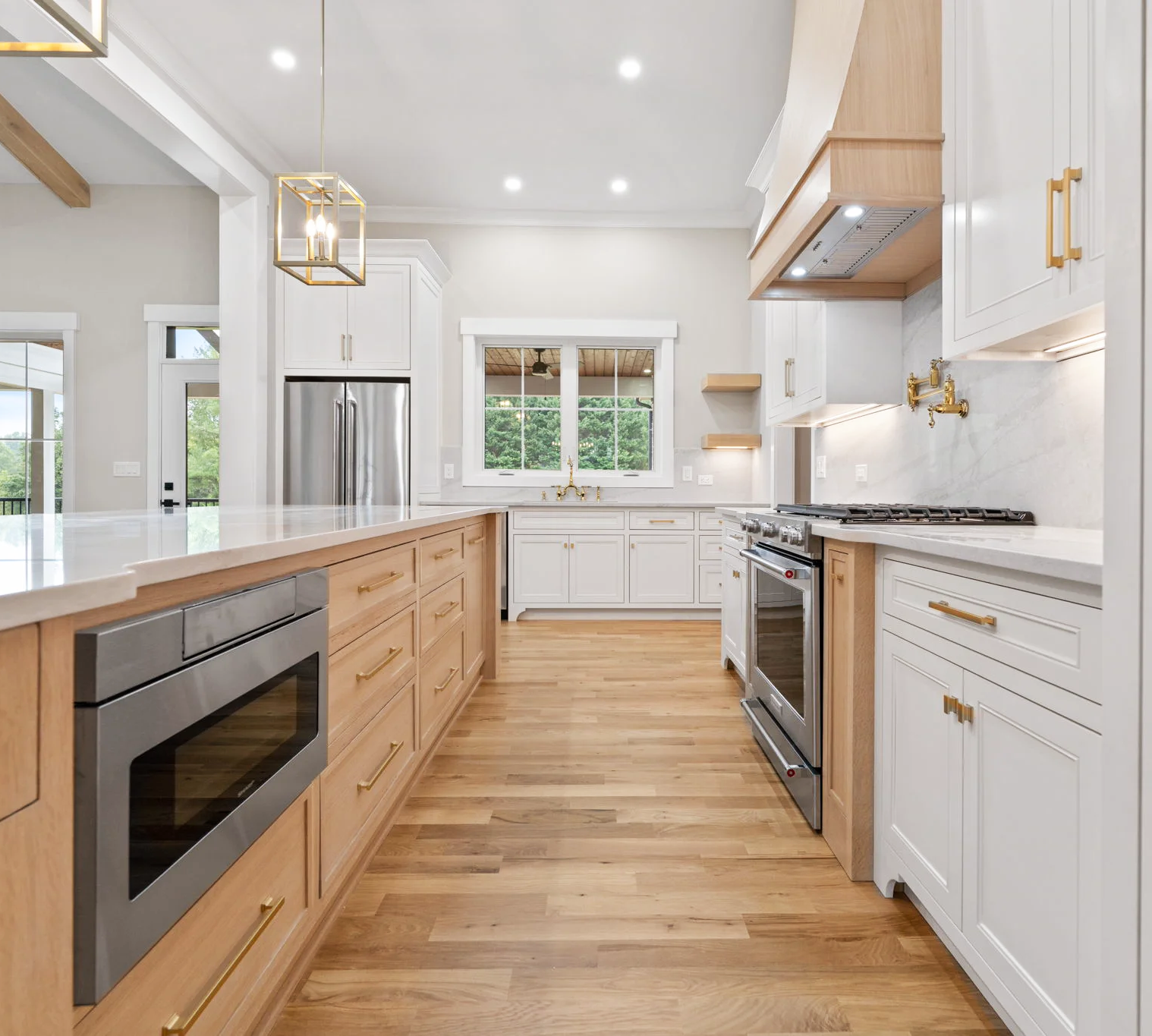
When property owners think about upgrading their homes, they frequently come across many different types of services tailored to different needs and preferences. These options can be widely classified into various categories, each focusing on particular areas of residential enhancement. Kitchen renovations center on upgrading equipment, the cabinets, and layouts to enhance functionality and visual appeal. Bathroom upgrades generally mean improving the fittings, tiling, and storage solutions for greater ease and style.
Complete residential remodeling includes major alterations across the property, frequently involving changing the structure to optimize space and layout. Outdoor renovation projects, in contrast, focus on boosting curb appeal, addressing siding, the covering, and the garden design. Moreover, niche projects including converting the cellar and loft remodeling help residents make the most of underutilized spaces. Each type of remodeling service delivers specific perks, letting residents pick services that fit their desired outcome for their home life. Understanding these distinctions is vital for choosing wisely while undertaking the upgrade.
Setting a Realistic Budget for Your Renovation Undertaking
How can homeowners guarantee their renovation work stays economically sound? Creating a sensible budget is vital. It is advisable for homeowners to begin by determining their fiscal limits, including savings and potential financing options. This initial step will help determine the funds available for the updating project while maintaining other fiscal obligations.
Next, homeowners must look into the financial requirements of their intended changes, taking into account materials, labor, and unexpected costs that frequently occur. Creating a detailed list of priorities helps with distinguishing essentials from desirable features, enabling modifications if the finances are strained.
It's wise to include a contingency fund, generally 10-20% of the entire budget, to account for surprise expenditures. Periodically examining and tweaking the budget throughout the remodeling process can further assist in keeping finances in check. Finally, a thoroughly prepared budget does more than just confirm the project can be done and makes the whole updating experience better for homeowners.
Selecting the Appropriate Contractor to Suit Your Project.
Selecting the right contractor can significantly affect how well a renovation turns out. Homeowners should begin by performing extensive investigation, asking for referrals from friends, family, or internet reviews. It is crucial to check qualifications, like licenses, insurance, and bonds, to establish credibility.
Once potential contractors are identified, they should seek detailed cost breakdowns and timeframes, making it possible to compare options knowledgeably. Discussions reveal their approach to dialogue and their level of expertise, which are essential for a collaborative process.
In addition, looking at completed jobs through galleries or recommendations can reveal a contractor's quality of workmanship. Property owners must also ask about guarantees or assurances, which shows the professional's belief in their output.
Ultimately, selecting a contractor who aligns with the homeowner’s vision, budget, and timeline creates a better renovation journey, ensuring the work fulfills requirements and transforms the living space effectively.
Organizing and Conceptualizing The Space You Envision.
When property owners picture their perfect areas, thorough preparation and well-considered layout form vital parts of a triumphant renovation effort. The beginning stage requires reviewing existing necessities and future desires, allowing for a thorough understanding of how the space will be used. Homeowners should consider practicality, visual appeal, and personal style, to guarantee the design showcases their distinctive choices.
Following this, it is critical to create a detailed budget. This budget should account for supplies, labor, and possible unexpected costs. Hiring professional designers can give meaningful advice, assisting in improving the layout while sticking to budgetary constraints.
Including features such as natural light, spacious designs, and sustainable materials can improve the final result. Finally, seeing the project via drawings or computer models can help perfect concepts before starting the work. When handling the initial design phase deliberately, homeowners can build a comfortable, effective space tailored to their lifestyle.
Navigating Permits and Regulations in Home Remodeling
Understanding the complexities of permits and regulations can be challenging for homeowners starting on a remodeling project. Each municipality has specific rules that determine what is allowed during renovations, typically guided by zoning laws, construction standards, and security requirements. It is essential for homeowners to understand local regulations so they don't incur hefty fees or construction hold-ups.
Typically, obtaining permits is crucial for major changes, such as structural changes or electrical work. This process usually necessitates providing designs for examination and may require inspections at various stages.
Hiring an experienced builder can streamline these steps, as they are usually well-versed Port Hope Home Remodeling Contractor in local regulations and can aid in filing necessary forms. It is important for homeowners to communicate regularly with the city's regulatory body to verify legality throughout the project. By understanding and maneuvering through these requirements, homeowners can fulfill their improvement aims while guaranteeing that the work is safe and legal in their renovations.
FAQs
What is the Duration of a Standard Home Renovation?
The average remodeling job typically spans three to six months on average, based on the size of the job, size of the home, and supply chain status. Complex projects may require additional time for completion.
What are the typical errors that people make throughout the renovation process?
Common mistakes during remodeling include miscalculating costs, ignoring necessary permits, missing scheduled deadlines, failing to communicate effectively with your builders, and ignoring long-term functionality. Understanding these dangers often results in a less stressful, more successful renovation project.
What's the best way to select the best supplies for the job?
Picking the best materials requires assessing their resilience, aesthetics, and financial limits. Researching options, getting expert advice, and considering maintenance needs are vital steps in making informed decisions, making sure the renovation matches your needs and preferences.
Will I be able to reside in my property during renovations?
You are able to stay on the premises during renovations, but it could be uncomfortable. Careful planning, maintaining open dialogue with your builders, and designating specific areas for daily use can help minimize disruption throughout the project.
What guarantees should I look for by my builders?
Clients typically receive warranties that guarantee the quality of the work, the products installed, and structural components, typically ranging from one to ten years. It is essential to examine specific terms and conditions with contractors to know the full extent of the guarantee and its restrictions.